 EN
EN
 AR
AR
 BG
BG
 HR
HR
 CS
CS
 DA
DA
 NL
NL
 FI
FI
 FR
FR
 DE
DE
 EL
EL
 HI
HI
 IT
IT
 JA
JA
 KO
KO
 NO
NO
 PL
PL
 PT
PT
 RO
RO
 RU
RU
 ES
ES
 SV
SV
 TL
TL
 ID
ID
 UK
UK
 VI
VI
 TH
TH
 FA
FA
 AF
AF
 MS
MS
 BE
BE
 BN
BN
 LO
LO
 NE
NE
 MY
MY
 KK
KK
 SU
SU
 UZ
UZ
 KY
KY
 XH
XH


ตามรายงานล่าสุดที่เผยแพร่โดยสำนักงานพลังงานระหว่างประเทศในเดือนมีนาคม 2025 ,การผลิตแบตเตอรี่ทั่วโลกตอนนี้อยู่ที่ 3 เทระวัตต์ชั่วโมง (TWh) อย่างไรก็ตาม จีนยังคงนำหน้าอย่างมาก โดยผลิตแบตเตอรี่มากกว่าสามในสี่ของทั้งหมดที่ผลิตทั่วโลก
แบตเตอรี่ลิเธียมเหล็กฟอสเฟต (LiFePO₄) มีบทบาทสำคัญมากขึ้นในการจัดเก็บพลังงานและรถยนต์ไฟฟ้าทั่วโลก โดยเฉพาะในช่วงไม่กี่ปีที่ผ่านมา การเติบโตนี้เกิดจากศักยภาพการผลิตของจีน รวมถึงข้อดีของแบตเตอรี่ประเภทนี้ที่มีอายุการใช้งานยาวนาน กว่าปลอดภัย และมีต้นทุนการผลิตที่ต่ำกว่า
สำหรับผู้ที่ทำงานภาคสนาม เช่น ผู้ซื้อ ซัพพลายเออร์ หรือผู้ติดตั้ง การรู้ว่าแบตเตอรี่ LiFePO₄ จากจีนเป็นแบตเตอรี่คุณภาพสูงหรือเกรดต่ำกว่านั้นสำคัญมากเมื่อซื้อ แทนที่จะคาดเดา พวกเขาตรวจสอบรายละเอียดอย่างละเอียด บางรายอาศัยผลการทดสอบ ในขณะที่บางรายดูประวัติประสิทธิภาพ คุณภาพไม่ได้ชัดเจนเสมอไปเพียงแค่การมองดู นั่นเป็นเหตุผลว่าทำไมข้อมูลจากโลกแห่งความเป็นจริงจึงมีประโยชน์มากกว่าคำกล่าวอ้างทางการตลาด ในขณะที่ผู้ขายบางรายให้คำมั่นสัญญาว่าจะมีมาตรฐานสูง แต่หลักฐานมาจากผลลัพธ์ที่สม่ำเสมอ ดังนั้นการเปรียบเทียบข้อมูลจำเพาะจริงจึงมีความสำคัญ เพราะแม้แต่ข้อบกพร่องเล็กๆ น้อยๆ ก็อาจก่อให้เกิดปัญหาใหญ่ในภายหลังได้
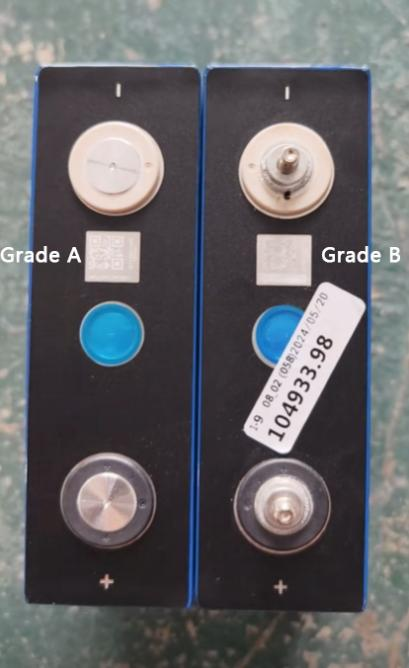
B ก่อนที่คุณจะแยกแยะเกรด A ออกจากเกรด B ได้ ,เรามาทำความเข้าใจกันก่อนว่าแต่ละเกรดนั้นหมายถึงอะไร
เซลล์เกรด A ทำงานได้ตรงตามที่ผู้ผลิต ESS ระบุไว้อย่างแม่นยำ นอกจากนี้หน่วยงานเหล่านี้ไม่มีรอยบุ๋มหรือรอยขีดข่วนใด ๆ ขณะที่ผลผลิตยังคงมีความแข็งแรงสม่ำเสมอในทุกล็อต เพราะไม่มีการโป่งพองบริเวณภายนอกเลย
เซลล์เกรด B บางชนิดมีคุณภาพต่ำกว่าระดับพรีเมียม เซลล์เหล่านี้อาจมีข้อบกพร่องเล็กน้อย หรือแม้แต่ปัญหาที่ร้ายแรงกว่า เช่น รูปลักษณ์ผิดปกติ ความต้านทานสูง หรือพลังงานต่ำ มักเป็นของเหลือจากการผลิตแบตเตอรี่ระดับสูง ถูกปฏิเสธระหว่างการตรวจสอบเพราะไม่ผ่านเกณฑ์ทดสอบอย่างเข้มงวด
นอกจากนี้ เซลล์เกรด A ที่เก็บไว้ในคลังโดยไม่ได้ใช้งานนาน 3 ถึง 6 เดือน บางครั้งอาจถูกเรียกอย่างไม่เป็นทางการว่า เกรด B ซึ่งไม่ใช่กฎที่ตายตัว แต่เป็นคำพูดทั่วไปที่ใช้กันในหมู่ p eER p บุคลากร .
เพื่อให้คุณเข้าใจความแตกต่างได้ชัดเจนยิ่งขึ้น โปรดดูตารางด้านล่างสำหรับการเปรียบเทียบ
|
Attribut |
เซลล์ LiFePO₄ เกรด A |
เซลล์ LiFePO₄ เกรด B |
|
คุณภาพโดยรวม |
ใหม่สมบูรณ์ ไร้ข้อบกพร่อง; เป็นไปตามข้อกำหนดทุกประการของผู้ผลิต |
ไม่สมบูรณ์แบบ; อาจมีปัญหา; บางครั้งถูกลดเกรดหรือทิ้ง |
|
ลักษณะ |
สภาพสมบูรณ์แบบ ไม่มีร่องรอย รอยขีดข่วน หรือความบิดเบี้ยว; ซีลและแท็บอยู่ในสภาพแน่นหนา |
อาจมีรอยขีดข่วน ฉลากเสียหาย รอยบุ๋มเล็กน้อย; ด้ามจับอาจแสดงร่องรอยการใช้งาน |
|
วันที่ผลิต |
มีวันผลิตเพียงวันเดียวเสมอ |
วันที่อาจแตกต่างกันไปในแต่ละรายการ |
|
รหัส qr |
ชัดเจน สแกนได้ ทำงานได้อย่างเชื่อถือได้สำหรับการติดตาม |
บางครั้งไม่ชัดเจนหรือขาดหาย ทำให้สแกนได้ยากขึ้น |
|
ความจุ |
เท่ากับหรือสูงกว่าความจุที่ระบุเล็กน้อย; มีความสม่ำเสมอและเชื่อถือได้ |
อาจมีความจุน้อยกว่าที่ระบุ (90–98%); มีความแปรปรวนมากขึ้นระหว่างเซลล์ |
|
ความต้านทานภายใน |
ต่ำและคงที่ อยู่ภายในขีดจำกัดที่แคบของผู้ผลิต |
สูงกว่าและแปรปรวนมากขึ้น; เกินเกณฑ์เกรด A |
|
วงจรชีวิต |
อายุการใช้งานยาวนานที่สุด; เป็นไปตามข้ออ้าง (เช่น 6,000 รอบที่ความจุ 80%) |
อายุการใช้งานสั้นกว่า; สึกหรอเร็วกว่าเกรด A |
|
การปล่อยตัวเอง |
สูญเสียพลังงานช้ามากเมื่อไม่ใช้งาน |
หมดเร็วกว่าเนื่องจากข้อบกพร่องหรือวัสดุที่ผสมกัน |
|
เสถียรภาพแรงดันไฟฟ้า |
มีความเสถียรสูงมากในแต่ละเซลล์ |
ช่วงห่างของแรงดันไฟฟ้ามากกว่า; ความสม่ำเสมอน้อยกว่า |
|
ค่าใช้จ่าย |
ราคาสูงกว่า; สร้างมาอย่างพรีเมียม อายุการใช้งานยาวนาน เชื่อถือได้ |
ถูกกว่า; มักลดราคา แต่มีประสิทธิภาพต่ำกว่า |
คุณได้รับภาพรวมครบถ้วนเกี่ยวกับการตรวจสอบแบตเตอรี่ LiFePO₄ จากจีน เซลล์แบตเตอรี่ - ไม่ว่าจะเป็น เกรด A หรือ G รัด B . ใช้การทดสอบด้วยมือ ตรวจสอบผู้จัดจำหน่าย พิจารณาคุณภาพการผลิตอย่างละเอียด และติดตามแหล่งที่มาของวัสดุ ไม่มีข้อใดดีกว่ากันโดยทั่วไป; อย่างไรก็ตาม การสามารถแยกความแตกต่างได้นั้นช่วยให้คุณปลอดภัยจากการถูกฉ้อโกง ประสิทธิภาพต่ำ และอันตรายที่อาจเกิดขึ้น
คำถาม: เซลล์แบตเตอรี่เกรด B ปลอดภัยต่อการใช้งานหรือไม่?
คำตอบ: ในกรณีของเซลล์เกรด B แบตเตอรี่ นั้นปลอดภัยอย่างสมบูรณ์สำหรับระบบพลังงานแสงอาทิตย์ที่ต้องการพลังงานต่ำ
คำถาม: ทำไมการตรวจสอบข้อมูลแบตเตอรี่จึงสำคัญ?
คำตอบ: ผู้ขายสามารถปลอมแปลงรหัส QR ของเกรด A ได้ จึงเป็นเหตุผลสำคัญที่ต้องยืนยันข้อมูลให้แน่ชัด
คำถาม: ผู้ใช้งาน สิ้นสุด สามารถเข้าถึงข้อมูลโรงงานได้โดยการสแกนรหัสแบตเตอรี่หรือไม่?
คำตอบ: ผู้ใช้งานทั่วไป สิ้นสุด ไม่สามารถรับข้อมูลจากโรงงานได้จากการสแกนรหัสแบตเตอรี่ สิ่งที่พวกเขาได้รับคือรหัสตัวเลขที่บอกยี่ห้อ วันที่ผลิต และข้อมูลอื่นๆ ข้อมูลเกี่ยวกับเซลล์แบตเตอรี่
คำถาม: มีวิธีการทดสอบที่น่าเชื่อถืออย่างไรบ้างสำหรับการจัดเกรดเซลล์แบตเตอรี่
คำตอบ: วิธีการทดสอบที่รู้จักกันดีและน่าเชื่อถือสำหรับการจัดเกรดเซลล์ ได้แก่ การทดสอบความต้านทานภายในและการทดสอบความจุร่วมกัน ซึ่งให้การจำแนกประเภทที่แม่นยำที่สุด
คำถาม: เซลล์เกรด B มาจากเซลล์เสียเสมอหรือไม่
คำตอบ: และเซลล์เกรด B ไม่จำเป็นต้องมาจากเซลล์เสีย เซลล์เหล่านี้อาจเป็นเซลล์ใหม่ที่เพิ่งผลิตขึ้นมา แต่ไม่สามารถตรงตามมาตรฐานของเซลล์เกรด A
 ข่าวเด่น
2026-03-04
2026-01-16
2026-01-08
2025-12-04
2025-11-14
2025-09-08
● กรอกแบบฟอร์มตามความต้องการของคุณ ภายใน 24 ชั่วโมงเราจะติดต่อกลับ
● ต้องการความช่วยเหลือทันทีหรือไม่? โทรหาเรา!