
 EN
EN
 AR
AR
 BG
BG
 HR
HR
 CS
CS
 DA
DA
 NL
NL
 FI
FI
 FR
FR
 DE
DE
 EL
EL
 HI
HI
 IT
IT
 JA
JA
 KO
KO
 NO
NO
 PL
PL
 PT
PT
 RO
RO
 RU
RU
 ES
ES
 SV
SV
 TL
TL
 ID
ID
 UK
UK
 VI
VI
 TH
TH
 FA
FA
 AF
AF
 MS
MS
 BE
BE
 BN
BN
 LO
LO
 NE
NE
 MY
MY
 KK
KK
 SU
SU
 UZ
UZ
 KY
KY
 XH
XH

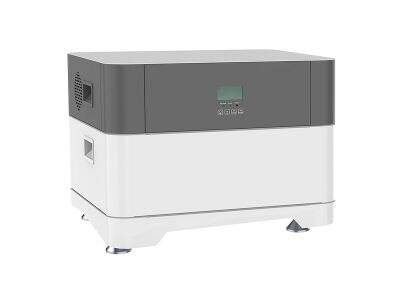
Lithium batteries are essential to our daily life. They are what energizes our cellphones, laptops and, increasingly, electric cars. But have you ever considered how long these batteries go on for? One big one is something known as depth of discharge. This is how much energy you pull out of the battery before charging it again. The more it’s used, the shorter the battery’s life might be. Knowing that can help us take good care of our devices. Here at Ningbo Anbo United Electric Appliance, we believe you deserve to know how to improve the overall state of your 10kwh lithium battery by moderating the amount that you discharge them.
The role of depth of discharge on the life of lithium-ion battery
How long lithium batteries last depends, in part, on the depth of discharge or DoD. When a battery is depleted, it loses some of its energy. If you regularly tap a lot of that energy before charging, the battery may fizzle. Think of a sponge. If you compress it really hard every time, it wears out faster than if you lightly press on it. Batteries work in much the same way. A lower DoD translates to less of your battery’s energy being used before you recharge it. This light wear and tear can help the battery last longer.
For example, if you typically draw down 20% of the energy in a battery before charging it up again, quite a few more charge–discharge cycles can be achieved than adhering to an 80%-drain rule each cycle. Some experts contend that the lifetime of a battery can be doubled or even tripled with a less aggressive DoD. Also important for businesses that use such batteries. And if they want their devices to keep running smoothly, and avoid replacing them so often, they had better still read how much energy they’ve been using each time. Monitoring the depth of discharge can help maintain 48v lithium battery pack, saving money and resources over time. So keep in mind, the lower you keep that DoD, it’s prolonging your battery life.
What is Depth of Discharge (DoD) and how does it apply to wholesale battery buyers in the lithium market?
If you are wholesale buyer, the importance of depth of discharge is quite significant. So you can choose the lithium battery for your products in a better way. But first you need to know that the lower the recommended depth of discharge in a battery, the better. They’re going to cost more upfront for sure, but also could save you money in the long run as they tend to last longer. It translates to fewer batteries purchased and replaced, which is good for business.
You’ll also want to find batteries with good warranties. A strong warranty should be a reassuring thing, as it means that the manufacturer stands behind their product. At Ningbo Anbo United Electric Appliance, we are about getting you the battery power you need. We suggest referring to the manufacturer specs. They usually give the life expectancy at various DoD levels. This can help you in identifying which batteries will be the best for your situation.
Also think about how your customers will be using the batteries. If they are going to be housed in gadgets that get charged a lot, batteries with a high cycle count and low DoD may make sense. Lastly, your customers need to know the significance of ideal charging habits. You can help them enjoy their products longer by teaching them to avoid these deep discharges. Bottom line, knowing about depth of discharge can result in better purchasing decisions and happier customers.
Where to Get Accurate Data on Lithium Battery Discharge Depth?
If you’re interested in learning more about lithium batteries and how their performance can vary depending on how much of their capacity you use, there’s no shortage of information available. One good source is the I-net. Science, technology or electronics oriented websites usually have articles explaining how lithium ion battery for solar storage work. You might try Googling terms such as "lithium battery depth of discharge" to find useful resources. Another excellent source is books. There are some books on batteries and renewable energy systems that describe how the depth of discharge is significant to battery life. These books are available at most libraries or online bookstores.
You can also watch tutorials on sites like YouTube. There are many students and teachers that create basic coverage videos to understand the battery in a fun manner. Watching these videos, you can get an idea of how depth of discharge operates in the real world. You can also visit forums and community groups that serve the battery tech needs. These forums permit individuals to exchange experiences and expertise. And if you have questions, other people who have worked with lithium batteries can help out.
Finally, businesses such as Ningbo Anbo United Electric Appliance sometimes even offer helpful resources directly on their web sites. They might even provide resources, FAQs or more detailed guides to help you understand all the pertinent concepts about how batteries work. By looking through these various sources, there is lots of useful information that can be gathered on depth of discharge and lithium batteries. This will teach you how to maintain your batteries and extend their longevity.
Understanding Depth of Discharge
Depth of discharge, or DOD, is a word used to describe that percentage of energy you use from a battery before recharging. This is a significant parameter for lithium batteries, which determines the life span of batteries. Think of a battery as a tank of water. The tank level is an analogy of the energy in the battery. As energy is consumed, the water level goes down (just as a battery’s charge does). If you are discharging the battery until it is near empty, you have a high depth of discharge.
Lithium battery with high DOD will cause damage to the life of lithium. Stressing the battery cells out each time you completely drain the battery. This stress can cause chemical changes inside the battery, possibly shortening its life. A shallow depth of discharge, in other words, can make the battery last longer. So you should try to charge your lithium battery when it still has a little bit of energy left instead of waiting until it is almost empty.
Many companies have certain depths of discharge that they recommend And not getting the full useable capacity comes with its own downsides such as cost per usable kilowatt. Lithium batteries, for example, are frequently best kept in a 20-80% charge span. This range also helps prevent wear and tear on the battery. Understanding depth of discharge will allow you to be smarter about how and when you charge your batteries. In this way, you are doing your bit to make sure that your lithium battery system such as those from Ningbo Anbo United Electric Appliance lasts its life and operates effectively.
Optimum DOd for Lithium batteries: How to Maintin them?
In order to maintain lithium batteries in top condition, it’s a good idea to adhere to a few best-practice guidelines around depth of discharge. One, always try to recharge your battery before it gets too low. The rule of thumb is: when a battery never goes all the way to 100% or 0% it will last longer. It means if your battery is at 100%, you might want to do what you can to keep it above 20% before plugging it back in. Recipients: Do not use the battery until it is completely empty because that causes stress and can shorten life expectancy.
Another good habit is to not let your battery get into a 100% discharged condition for long periods of time. A lithium battery left empty for days or weeks can become damaged in that time. Instead, if you know that you’re not going to use the battery for some time, store it with a charge of around 50%. This is a safe level that protects the battery from any damage.
Temperature is also a factor when it comes to a lithium battery’s health. Just be sure to store them in a cool, dry place. Batteries can degrade more quickly when it’s hot, and perform badly in very cold weather. Always refer to the operating temperatures recommended by producers such as Ningbo Anbo United Electric Appliance.
And do not forget to inspect your battery regularly for damage or wear. If you see anything strange — swelling or leaking, for example — stop using it at once. Caring for your lithium battery in the method outlined here will provide good service life and performance. You can enjoy your battery's benefits for many years by Monitoring DOD (depth of discharge) and handling it with care.
Table of Contents
- The role of depth of discharge on the life of lithium-ion battery
- What is Depth of Discharge (DoD) and how does it apply to wholesale battery buyers in the lithium market?
- Where to Get Accurate Data on Lithium Battery Discharge Depth?
- Understanding Depth of Discharge
- Optimum DOd for Lithium batteries: How to Maintin them?


